
Brain Tumor Radiation: Role of SRS
A brain tumor diagnosis can feel overwhelming, bringing uncertainty about treatment options and outcomes. Traditionally, surgery has been a primary approach for managing brain tumors. However, advances in medical technology have introduced highly effective, non-invasive alternatives. One such breakthrough is Stereotactic Radiosurgery (SRS)—a precise form of radiation therapy that is transforming the way brain tumors are treated.
What is Stereotactic Radiosurgery (SRS)?
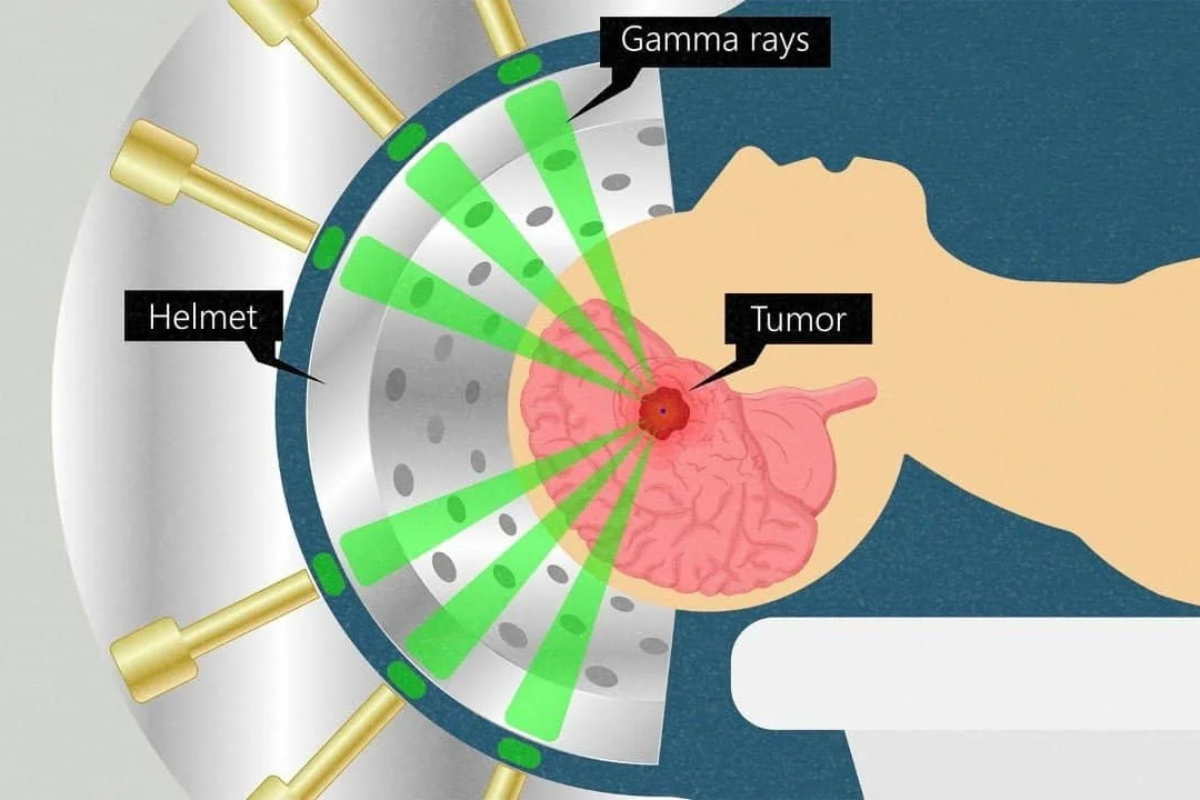
Despite the name, Stereotactic Radiosurgery is not a surgical procedure. It does not involve any incisions or removal of tissue. Instead, SRS uses highly focused beams of radiation to target tumors in the brain with extreme accuracy. These beams converge at a specific point, delivering a high dose of radiation to the tumor while sparing the surrounding healthy tissue.
SRS is typically completed in one to five sessions, making it much faster than conventional radiation therapy, which may require several weeks of treatment.
How Does SRS Work?
SRS relies on advanced imaging technologies such as MRI or CT scans to map the exact location, size, and shape of the tumor. Using this data, doctors create a customized treatment plan that directs radiation beams precisely to the affected area.
Think of it like using a magnifying glass to focus sunlight on a single point—intense and targeted, without affecting the surrounding area. This precision allows SRS to effectively destroy tumor cells or stop their growth while minimizing damage to healthy brain tissue.
Conditions Treated with SRS
SRS is widely used to treat a variety of brain-related conditions, including:
- Benign tumors such as meningiomas and acoustic neuromas
- Malignant tumors, including brain metastases
- Arteriovenous malformations (AVMs)
- Functional disorders like trigeminal neuralgia
Its versatility makes it an important option in both cancerous and non-cancerous conditions.